
Blog
Common Floor Safety Mistakes and How to Avoid Them

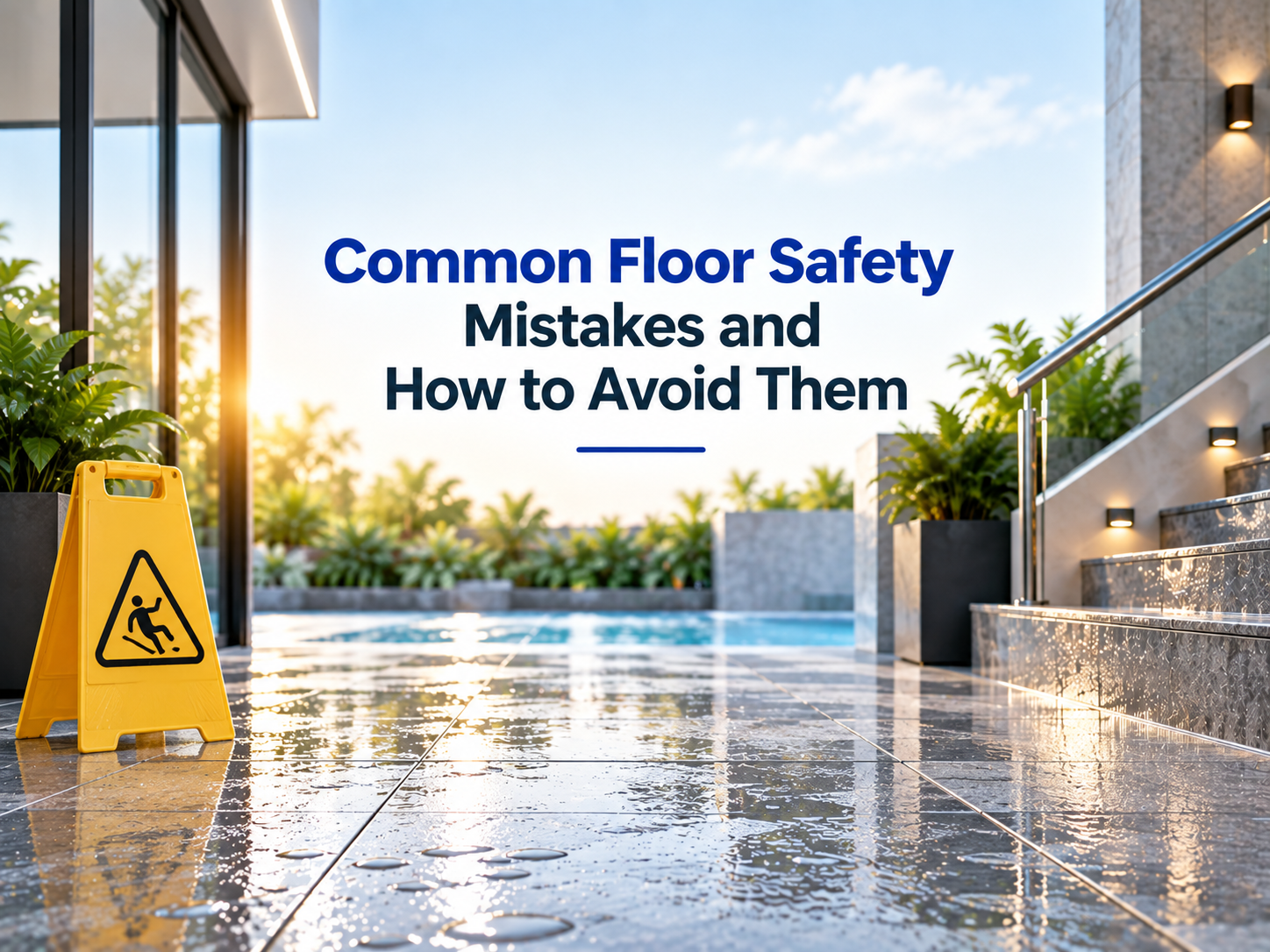
Floor safety is an important part of maintaining a safe home, workplace, commercial property, or public space. Floors are used every day, but their safety is often overlooked until someone slips, trips, or falls. Wet surfaces, spills, poor maintenance, smooth flooring, inadequate drainage, and unsuitable cleaning practices can all increase the risk of accidents.
The good news is that many common floor safety problems can be prevented with regular maintenance and the right preventive measures. Understanding the most common floor safety mistakes can help property owners, businesses, facility managers, and homeowners create safer environments.
In this guide, we will discuss common floor safety mistakes and practical ways to avoid them.
1. Ignoring Wet or Spilled Floors
One of the most common floor safety mistakes is leaving water or other liquids on the floor for too long. Water, oil, soap, cleaning solutions, and other liquids can reduce traction between footwear and the floor surface.
This problem is particularly common in bathrooms, kitchens, restaurants, pool areas, entrances, and workplaces.
How to avoid it:
Clean spills as soon as they are noticed. Keep suitable cleaning equipment easily accessible in areas where spills are common. For larger wet areas, proper drainage and regular inspections can also help prevent water from remaining on the floor.
2. Using the Wrong Cleaning Products
Cleaning floors regularly is important, but using an unsuitable cleaning product can sometimes create another safety issue. Some cleaning solutions can leave behind residues that may affect the surface’s traction.
Excessive use of soap or cleaning chemicals can also leave a slippery film if the floor is not properly rinsed.
How to avoid it:
Always follow the flooring manufacturer’s cleaning recommendations. Use appropriate cleaning products and avoid leaving excessive residue on the surface. After cleaning, allow the floor to dry properly before allowing normal foot traffic.
3. Overlooking Smooth and Polished Surfaces
Smooth and highly polished floors can look attractive and modern, but their performance can change when exposed to water or other contaminants. A surface that feels comfortable when dry may become more challenging to walk on when wet.
This is especially important in bathrooms, hotel lobbies, commercial buildings, restaurants, and other areas where moisture is common.
How to avoid it:
Consider the conditions in which the floor will be used, not just its appearance. For suitable surfaces, an appropriate anti-slip treatment may be considered to help improve surface traction.
4. Failing to Address Small Spills Immediately
A small spill may seem harmless, but it can become a significant slip hazard when located in a busy walkway. People may not notice a small wet area, especially when they are distracted or moving quickly.
How to avoid it:
Create a routine for identifying and cleaning spills quickly. In commercial environments, employees should know who is responsible for responding to spills and how to safely manage them.
5. Not Using Warning Signs During Cleaning
Another common mistake is cleaning a floor without informing people that the surface is wet. Someone walking through the area may not realize that the floor has reduced traction.
How to avoid it:
Use clearly visible “Wet Floor” signs or barriers while cleaning or when a floor requires time to dry. Remove the signs only after the surface is safe for normal use.
6. Neglecting Bathroom Floor Safety
Bathrooms are naturally exposed to water, steam, soap, and moisture. Shower areas and spaces around sinks can therefore become slippery.
This can be particularly concerning for homes, hotels, hospitals, gyms, and other facilities with frequent bathroom use.
How to avoid it:
Keep bathroom floors clean and dry whenever possible. Ensure water drains efficiently and consider suitable anti-slip solutions for compatible flooring surfaces. Regularly inspect the floor for damaged tiles, worn areas, or other potential hazards.
7. Ignoring Poolside Slip Hazards
Swimming pool areas are constantly exposed to water. People may also walk barefoot, which makes appropriate surface traction especially important.
How to avoid it:
Keep poolside surfaces properly maintained and ensure water can drain effectively. Regularly remove standing water where possible and consider an appropriate anti-slip treatment for compatible surfaces.
8. Delaying Floor Repairs
Cracked tiles, loose flooring, uneven surfaces, damaged edges, and broken sections can create trip hazards. Small problems can become larger and more expensive if repairs are delayed.
How to avoid it:
Inspect floors regularly and repair damaged areas as soon as practical. Replace severely damaged tiles and address uneven transitions between different flooring materials.
9. Ignoring Poor Drainage
Standing water is a major concern in areas that regularly experience moisture. If water cannot drain away efficiently, it may remain on the floor and increase slip risk.
How to avoid it:
Check drains regularly and keep them free from dirt and debris. When designing or renovating wet areas, consider drainage and water flow as important parts of the overall floor-safety plan.
10. Choosing Flooring Based Only on Appearance
A beautiful floor is not necessarily the best choice for every environment. Selecting flooring only because of its colour, pattern, or appearance can result in safety problems if the material is not suitable for the conditions.
How to avoid it:
Consider the environment before selecting flooring. Think about moisture levels, foot traffic, cleaning requirements, footwear, and the type of activities taking place in the area.
11. Forgetting About High-Traffic Areas
Entrances, corridors, stairways, kitchens, retail spaces, and commercial walkways can experience heavy foot traffic. These areas may also be exposed to water, dirt, oil, or other contaminants.
How to avoid it:
Identify high-traffic and high-risk areas and inspect them regularly. Keep entrances clean and dry, use suitable mats where appropriate, and address spills and surface damage quickly.
12. Using Temporary Solutions as a Permanent Fix
Mats, warning signs, and cleaning routines can be useful for managing temporary hazards, but they may not always address the underlying problem.
For example, if a particular floor consistently becomes slippery whenever it gets wet, repeatedly placing warning signs may not be the only solution worth considering.
How to avoid it:
Identify the reason the floor becomes slippery and evaluate long-term solutions. For compatible surfaces, an anti-slip floor treatment can be considered as part of a broader safety strategy.
How Anti-Slip Treatment Can Support Floor Safety
Anti-slip treatments are designed to improve traction characteristics on suitable flooring surfaces. They can be useful in areas where slippery conditions are a recurring concern.
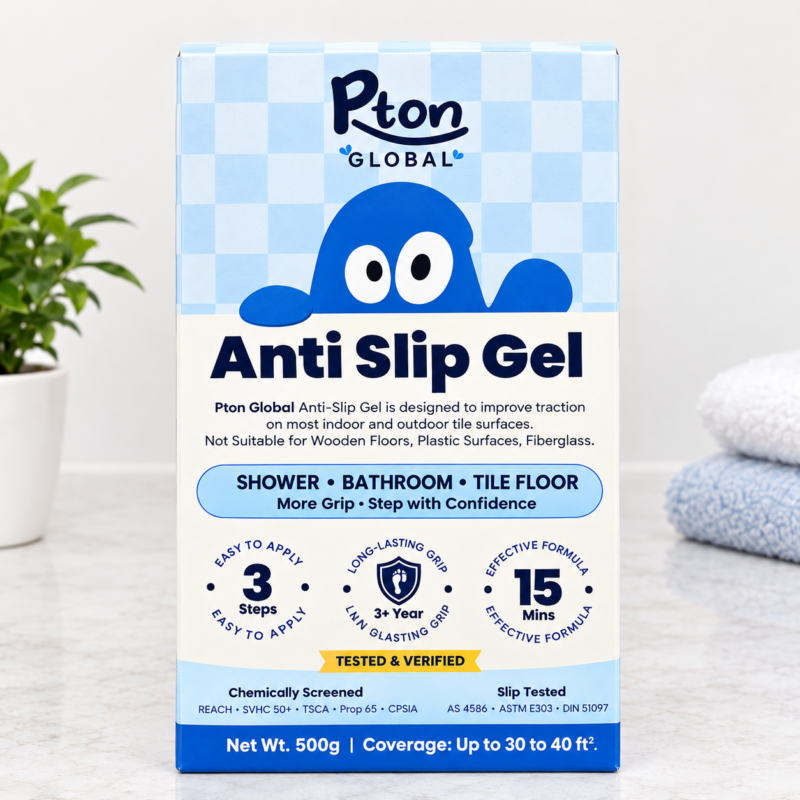
An anti-slip gel may be considered for compatible surfaces such as certain types of tile and other hard flooring materials. The suitability of a treatment depends on the specific floor material, finish, and manufacturer’s recommendations.
Before applying any anti-slip product, always check compatibility and follow the manufacturer’s instructions. A small test area may also be recommended before treating a larger surface.
For businesses and property owners, an anti-slip treatment can provide an option to improve floor safety without necessarily replacing the existing flooring.
Creating a Better Floor Safety Routine
Preventing floor-related accidents requires consistency. A simple floor safety routine can include:
- Inspecting floors regularly
- Cleaning spills immediately
- Keeping wet areas properly drained
- Using warning signs during cleaning
- Checking damaged or uneven flooring
- Using appropriate cleaning products
- Monitoring high-traffic areas
- Maintaining bathrooms and pool areas
- Evaluating recurring slip hazards
- Considering suitable anti-slip treatments where necessary
These simple practices can help create a safer environment for employees, customers, visitors, family members, and other people using the property.
Why Prevention Matters
Floor safety should be approached proactively rather than only after an accident occurs. A slippery floor may appear harmless when no one is using it, but conditions can change quickly when water, oil, soap, or other substances are introduced.
Regular inspection and maintenance allow potential problems to be identified before they become serious. Combining good housekeeping practices with appropriate flooring solutions can provide a more comprehensive approach to slip prevention.
Conclusion
Common floor safety mistakes often come from simple oversights such as ignoring spills, using unsuitable cleaning products, overlooking damaged flooring, neglecting drainage, or relying only on temporary solutions.
The best way to reduce floor hazards is to understand the conditions affecting each area and take preventive action. Keeping floors clean and dry, repairing damaged surfaces, improving drainage, using warning signs, and selecting appropriate flooring solutions can all contribute to better floor safety.
For areas where slippery surfaces are a recurring concern, a suitable anti-slip treatment can be another option to consider. Pton Global’s anti-slip gel can be evaluated for compatible surfaces as part of a broader floor-safety strategy.
By identifying common hazards and addressing them early, homes and businesses can create safer, more comfortable spaces while reducing the risks associated with slippery and poorly maintained floors.